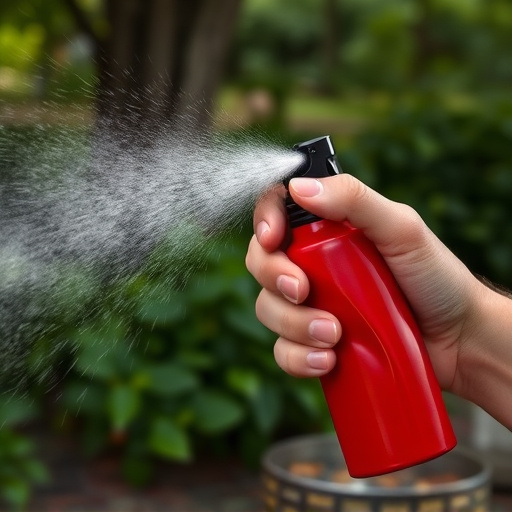
To safely test pepper spray, create a controlled environment, follow safety protocols including protective gear, and practice proper application techniques. Regular training ensures effectiveness while minimizing risks of accidental exposure. After testing, wash face and hands, store samples securely, and adhere to local laws regarding pepper spray ownership and use.
Uncover the power of capsicum-based personal protection spray, a game-changer in self-defense. This comprehensive guide explores the art of safely testing these potent sprays. From understanding their composition and safety protocols to setting up controlled testing environments, we demystify the process. Learn effective application techniques for maximum impact while ensuring legal compliance. Discover post-test care essentials and key considerations for responsible use. Dive into this essential resource on how to test pepper spray safely and be prepared.
- Understanding Capsicum Spray Composition and Safety
- Setting Up a Controlled Testing Environment
- Safe Application Techniques for Maximum Effectiveness
- Post-Test Care and Legal Considerations
Understanding Capsicum Spray Composition and Safety
Capsicum-based personal protection sprays, also known as pepper spray, are designed to incapacitate an assailant by causing temporary blindness and severe irritation of the eyes and respiratory system. Understanding the composition of these sprays is crucial for safety. The active ingredient typically comes from capsicum fruits, which contain capsaicin—the compound responsible for the spicy sensation in peppers. This natural extract is diluted in a carrier solution, often containing water, alcohol, or a combination of both, to ensure even distribution and effectiveness upon spray discharge.
When using pepper spray, safety is paramount. It’s essential to follow recommended testing procedures to ensure its reliability. How to test pepper spray safely involves controlled applications in open areas, away from people and sensitive environments. Users should wear protective gear, including goggles or a face shield, thick gloves, and a respirator. Testing should be conducted by trained professionals who understand the spray’s potential effects and know how to handle any accidental exposure. This careful approach ensures that pepper spray remains an effective personal protection tool without posing harm to users or bystanders.
Setting Up a Controlled Testing Environment
When testing capsicum-based personal protection spray, establishing a controlled environment is paramount for both safety and accurate assessment. This involves setting up a dedicated area that mimics real-world scenarios but offers a secure space to conduct experiments. Start by selecting a spacious, well-ventilated room or outdoor enclosure free from potential hazards and distractions. Ensure all testing equipment, including spray devices, target surfaces, and measurement tools, are readily available and in good working condition.
Maintaining consistent temperature and humidity levels is crucial for reliable results. Adjust the environment to match typical weather conditions where the spray will be used, considering factors like wind speed, temperature ranges, and potential environmental contaminants. Implement safety measures such as eye protection, protective clothing, and respirators for all personnel involved in testing to safeguard against any accidental exposure to the capsicum spray.
Safe Application Techniques for Maximum Effectiveness
When applying capsicum-based personal protection spray, safety is paramount for maximum effectiveness. How to Test Pepper Spray Safely involves understanding proper application techniques. Begin by ensuring good ventilation; open windows or use a fan to disperse the spray quickly and reduce its concentration in the air. Hold the can upright at arm’s length, aiming towards potential threats. For external use only, spray into the face of an assailant, targeting eyes, nose, and mouth. Do not direct it towards your own face or eyes. After application, immediately back away to a safe distance to assess the situation.
For optimal results, practice with a controlled, non-active version of the spray first. How to Test Pepper Spray Safely also includes learning from each drill. Observe how quickly the spray takes effect and how long it lasts. Identify any potential issues like misdirection or poor reach. Regular training ensures you’re prepared for real-life scenarios, maximizing the spray’s effectiveness as a self-defense tool.
Post-Test Care and Legal Considerations
After testing your personal protection spray, proper post-test care is essential. Always wash your face and hands thoroughly with mild soap and water immediately after each test to remove any residual capsaicin oil. This can prevent skin irritation or discomfort. Store the used test samples in a secure location, away from children and pets, until disposal.
In terms of legal considerations, it’s crucial to understand the regulations regarding pepper spray ownership and use in your region. Different areas have varying laws, so ensure you’re aware of any restrictions or permits required for carrying self-defense sprays. Proper documentation and training certifications can help demonstrate responsible usage during any legal inquiries. Remember, knowing how to test pepper spray safely is one aspect, but adhering to local laws and regulations is paramount.
Testing capsicum-based personal protection spray safely requires understanding its composition, setting up a controlled environment, and employing correct application techniques. Always prioritize safety by wearing protective gear and ensuring proper ventilation during testing. After conducting your tests, proper post-care and a review of legal considerations are essential to guarantee effectiveness while adhering to local regulations. Remember, knowing How to Test Pepper Spray Safely ensures you’re prepared for self-defense in an emergency.