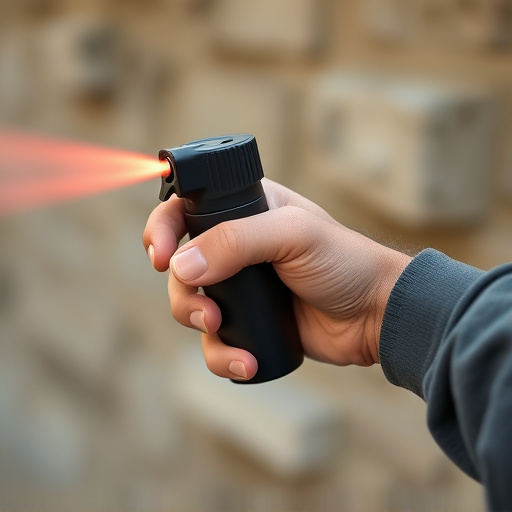
To ensure the reliability of pepper spray as a self-defense tool, follow these steps: test its functionality, range, and potency safely in controlled environments, wear protective gear, and use barriers for containment. After testing, store pepper spray securely, dispose of it responsibly according to local regulations, and understand legal constraints on its use. Remember, "How to Test Pepper Spray Safely" is key to informed decision-making during emergencies.
“Uncover the power of self-defense with a tactical understanding of pepper spray. This comprehensive guide explores ‘How to Test Pepper Spray Safely’, delving into its effects, limitations, and practical applications. From preparing your testing environment to mastering safe handling techniques, we navigate the best practices for optimal results. Learn about post-testing care, storage, disposal, and legal considerations to ensure responsible ownership. Empower yourself with knowledge and stay prepared.”
- Understanding Pepper Spray: Its Effects and Limitations
- Preparing for Testing: Safety Measures and Environment Setup
- Conducting Safe Testing: Techniques and Best Practices
- Post-Testing Care: Storage, Disposal, and Legal Considerations
Understanding Pepper Spray: Its Effects and Limitations
Pepper spray, a popular self-defense weapon, is designed to temporarily incapacitate an assailant by causing irritation and pain in the eyes, nose, and throat. When used correctly, it can provide individuals with valuable time to escape dangerous situations. However, understanding its effects and limitations is crucial for safe and effective deployment. The primary active ingredient in pepper spray is capsaicin, a chemical compound found in chili peppers, which triggers a burning sensation when it comes into contact with mucous membranes. This reaction leads to temporary blindness, coughing, and difficulty breathing, enabling the user to flee or subdue their attacker.
Testing pepper spray safely is essential before relying on it for protection. Users should familiarize themselves with how to test the spray’s functionality and understand its range and potency. How to Test Pepper Spray Safely involves aiming the canister at a target, usually a non-living object like a wall or tree, and activating the spray mechanism. Observing the spray pattern and ensuring it reaches the intended distance is vital. Additionally, checking the expiration date and replacing the spray if it’s past its prime is essential for guaranteed effectiveness. Knowing the limitations of pepper spray, such as its non-lethal nature and potential for misfire or reduced potency in certain weather conditions, allows users to make informed decisions during emergencies.
Preparing for Testing: Safety Measures and Environment Setup
When preparing for testing a pepper spray self-defense weapon, safety should be your top priority. Before initiating any test, ensure your testing environment is controlled and isolated. This involves setting up in an area where there’s minimal risk of cross-contamination—a place well away from public spaces or areas with high foot traffic. It’s crucial to wear protective gear, including gloves, eye protection, and clothing that covers a significant portion of your body. This not only safeguards you from accidental exposure but also minimizes the spread of any potential residue.
The testing area should be equipped with barriers to contain any spray projectiles. Place non-porous surfaces like concrete or wooden boards behind and around the test subject (ideally, a volunteer) to prevent overspray from reaching sensitive areas. Additionally, have on hand absorbent materials like paper towels or rags for immediate cleanup of any spills or splashes. Always ensure proper ventilation by setting up tests in an outdoor area or a well-ventilated indoor space. By adhering to these safety measures, you can effectively and safely test your pepper spray weapon, ensuring its reliability when needed for self-defense.
Conducting Safe Testing: Techniques and Best Practices
Testing pepper spray safely is an essential step in ensuring its effectiveness as a self-defense tool. When conducting safety tests, it’s crucial to simulate real-life scenarios without putting yourself or others at risk. Start by identifying safe testing environments that mimic potential threat situations. This could include open areas with good ventilation and minimal foot traffic.
Use controlled experiments to test the spray’s range, effectiveness, and duration. Aim for non-living targets like wooden dummies or practice mats initially, allowing you to observe the spray pattern and impact without causing harm. Gradually progress to testing on trained volunteers who can safely react to the spray’s effects, providing valuable feedback on its performance in controlled conditions. Remember, proper eye protection, breathing apparatus, and protective clothing are non-negotiable during these tests to safeguard against any potential risks associated with pepper spray.
Post-Testing Care: Storage, Disposal, and Legal Considerations
After testing your pepper spray, proper post-testing care is essential for safety and legal reasons. Storage involves keeping it in a secure, designated location, away from heat sources, direct sunlight, and children or unauthorized individuals. Ensure it’s stored in its original packaging with clear labeling, indicating its contents, date of purchase, and expiration date.
Disposal should be done responsibly by following local regulations. Never pour pepper spray down the drain or flush it down the toilet. Instead, consider returning unused or expired sprays to law enforcement for proper disposal or find out if your local hazardous waste facility accepts them. Familiarize yourself with the legal considerations surrounding pepper spray ownership and use in your region, including restrictions on carrying and the circumstances under which it can be legally employed for self-defense.
Knowing how to test pepper spray safely is paramount for ensuring its effectiveness in self-defense scenarios. By understanding its effects, preparing your environment accordingly, and adhering to best practices during testing, you can gain valuable insights into this potent self-defense weapon’s capabilities. Remember, proper storage, disposal, and awareness of legal considerations are also crucial aspects of responsible ownership. With the right approach, you’ll be better equipped to protect yourself and make informed decisions regarding your safety.