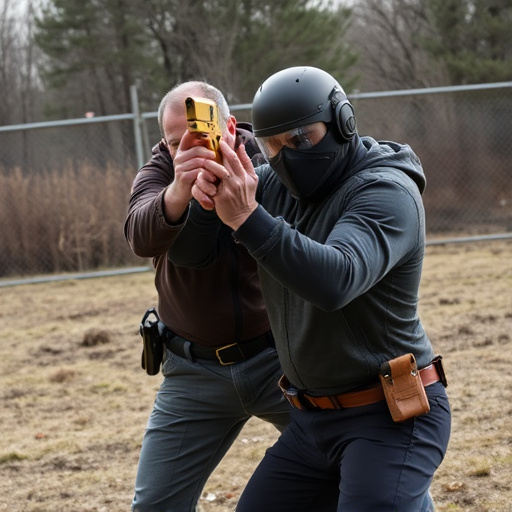
Testing pepper spray safely involves a comprehensive, multi-layered process to maximize its effectiveness as a personal safety tool. Key steps include wearing protective gear, ensuring proper ventilation or containment, adhering to manufacturer guidelines and local regulations, using approved equipment for impact testing and chemical analysis, and implementing rigorous decontamination protocols and safe disposal methods.
“Discover the power of concentrated pepper extract defense products—a game-changer in personal safety. This comprehensive guide explores the intricacies of testing these potent tools effectively and safely. From understanding their unique properties to selecting the right testing equipment, we demystify the process. Learn essential safety protocols and handling techniques to ensure accurate assessments without risk. Uncover the steps to test pepper spray safely, empowering you to make informed choices for your protection.”
- Understanding Concentrated Pepper Extract Defense Products
- Safety Protocols for Testing Pepper Spray
- Effective Testing Methods and Equipment
- Ensuring Safe Handling and Disposal of Pepper Spray Test Samples
Understanding Concentrated Pepper Extract Defense Products
Concentrated pepper extract defense products, often referred to as pepper spray, are powerful tools designed for personal safety. Understanding how these products work and ensuring their safe use is paramount. Pepper spray contains capsaicin, the active ingredient derived from chili peppers, which irritates the eyes, nose, and respiratory system, temporarily incapacitating an attacker.
When testing pepper spray safely, it’s crucial to follow specific procedures. Always conduct tests in a well-ventilated area or outdoors to minimize exposure risk. Use protective gear, including gloves and safety goggles, to prevent direct contact with the spray. Test the spray on non-porous surfaces first to ensure its effectiveness without causing harm. Additionally, familiarize yourself with local regulations regarding pepper spray possession and usage to ensure compliance and maximize its defensive capabilities.
Safety Protocols for Testing Pepper Spray
When testing pepper spray, safety should be the top priority. It’s crucial to adhere to strict protocols to protect testers and ensure accurate results. The process involves wearing protective gear, including gloves, goggles, and a respirator mask, to shield against potential inhalation or skin irritation. Testing areas should be well-ventilated or contained in a controlled environment to prevent spray residue from spreading.
Follow established procedures to minimize risk. This includes using approved testing equipment, following manufacturer guidelines, and conducting tests in a safe, designated area. Regular training for testers is essential to familiarize them with safety measures. In case of accidental exposure, immediate decontamination protocols should be in place, ensuring quick response times to mitigate any potential harm.
Effective Testing Methods and Equipment
Testing concentrated pepper extract defense products, or pepper spray, safely is paramount for ensuring their effectiveness and user safety. The process involves rigorous evaluation methods and specialized equipment designed to mimic real-world scenarios. One of the primary techniques is the use of standardized test chambers that recreate controlled environments, allowing for precise measurement of spray distribution, concentration, and duration. These chambers ensure consistent testing conditions, enabling accurate comparisons between different pepper spray formulations.
How to Test Pepper Spray Safely involves employing advanced instrumentation such as mass spectrometers and gas chromatographs. These instruments analyze the chemical composition of the pepper spray, confirming the presence and potency of capsaicin, the active ingredient responsible for the burning sensation. Additionally, impact testing is crucial to assess the incapacitating effect of the spray by simulating various distances and angles of application. This ensures that the product lives up to its claimed effectiveness in diverse scenarios, providing users with reliable self-defense capabilities.
Ensuring Safe Handling and Disposal of Pepper Spray Test Samples
When testing pepper spray or any other chemical defense product, safe handling and disposal protocols are paramount. It’s crucial to follow established guidelines to protect both testers and the environment. Start by ensuring all personnel involved are adequately trained in hazardous material (HM) safety procedures. This includes wearing protective gear such as gloves, goggles, and a lab coat to minimize skin and eye contact with the spray.
Proper disposal methods are equally important. Pepper spray test samples should never be disposed of down the drain or into regular trash. Instead, follow local regulations for hazardous waste disposal, which may involve specialized collection services. Incineration at high temperatures is often recommended to neutralize the active ingredients effectively. Remember, adhering to these safety measures not only safeguards testers but also helps maintain environmental sustainability and compliance with regulatory standards.
Concentrated pepper extract defense products, or pepper spray, require careful testing and handling due to their potent nature. By understanding the safety protocols, effective testing methods, and proper disposal techniques discussed in this article, individuals can ensure the safe assessment of these products while adhering to crucial safety standards. When conducted responsibly, these tests contribute to developing reliable self-defense tools, empowering folks to protect themselves effectively. Remember that How to Test Pepper Spray Safely is paramount for both product integrity and user safety.