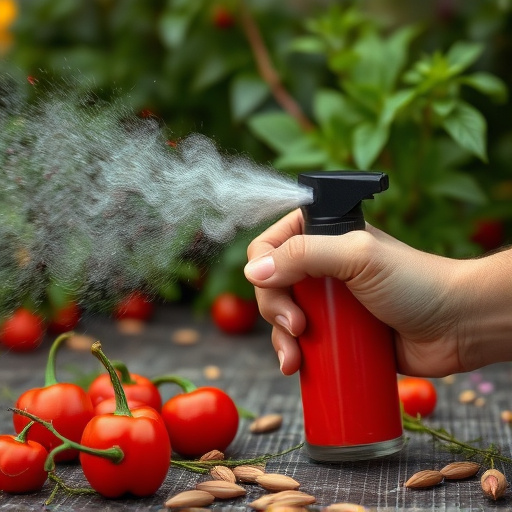
Safe testing of pepper spray involves a strict protocol in controlled environments, adhering to manufacturer guidelines and safety practices. This includes risk assessment, proper PPE, ventilation, emergency procedures, and disposal. Essential equipment for tactical inflammatory spray tests includes calibration tools, protective gear, and measuring devices. Testing steps encompass distance, functionality, irritation assessment, and expiration checks. Post-test analyses optimize system performance and safety by scrutinizing data and subject responses, ensuring evidence-based adjustments and best practices like regular training and maintenance.
In today’s dynamic security landscape, understanding tactical inflammatory spray defense systems is paramount. This comprehensive guide delves into “How to Test Pepper Spray Safely,” offering a detailed breakdown of essential aspects. From “Understanding Tactical Inflammatory Spray” to “Post-Test Analysis and Best Practices,” we explore safety protocols, required equipment, step-by-step testing procedures, and enhancing safety measures. By adhering to these practices, professionals can ensure effective evaluation while protecting individuals and environments.
- Understanding Tactical Inflammatory Spray: A Comprehensive Overview
- Safety Protocols for Pepper Spray Testing: Protecting Individuals and Environments
- Equipment and Facilities Required for Conducting Safe Tests
- Step-by-Step Guide to Effectively Test and Evaluate the Spray
- Post-Test Analysis and Best Practices for Enhancing Safety Measures
Understanding Tactical Inflammatory Spray: A Comprehensive Overview
Tactical inflammatory spray, often referred to as pepper spray, is a non-lethal self-defense tool designed to disable and disorient attackers temporarily. Comprising capsaicin, a compound found in chili peppers, it causes intense irritation to eyes, nose, and throat, leading to temporary blindness and difficulty breathing. Understanding how this powerful agent works is crucial for effective deployment and safety during testing.
Testing pepper spray safely involves controlled environments where individuals can assess its effectiveness without posing a risk to themselves or others. It’s essential to follow manufacturer guidelines, wear appropriate protective gear, and conduct tests in areas that allow for safe disposal of the used spray. Knowing how to test it safely enables users to gain valuable insights into its range, potency, and reliability, thereby enhancing their ability to employ it strategically in real-world scenarios.
Safety Protocols for Pepper Spray Testing: Protecting Individuals and Environments
When conducting pepper spray testing, ensuring safety protocols are paramount. Before any evaluation, a thorough risk assessment should be conducted to identify potential hazards and implement appropriate controls. This includes ensuring adequate ventilation in the test area to disperse irritants quickly and minimizing exposure for both testers and bystanders. Personal protective equipment (PPE), such as respirators or face shields, is crucial for anyone involved in handling or inhaling the spray.
To maintain a safe testing environment, it’s essential to conduct trials in controlled settings, preferably using containment areas or enclosed spaces that can be easily monitored. Testers should be trained and familiar with emergency procedures, including decontamination methods and access to medical aid. Proper disposal of used pepper spray and contaminated materials is also critical to prevent environmental contamination. By adhering to these safety measures, organizations can effectively simulate real-world scenarios while safeguarding individuals and surrounding environments during pepper spray testing.
Equipment and Facilities Required for Conducting Safe Tests
To safely test a tactical inflammatory spray defense system, several key pieces of equipment and facilities are required. Firstly, ensure you have access to a controlled testing area that is isolated from public access and has adequate ventilation. This area should be equipped with safety showers or eye wash stations nearby to quickly mitigate any accidental exposure. A decontamination area is also essential, complete with protective clothing, goggles, and gloves for handling the spray.
Additionally, you’ll need specialized equipment such as a calibration scale, a stopwatch, and test subjects (trained volunteers) wearing protective gear. The testing facility should be equipped to measure and record key metrics like spray range, accuracy, and intensity of irritation caused by the pepper spray. Following established safety protocols and using approved test methods are paramount to guarantee both the efficacy and safety of the system during evaluation.
Step-by-Step Guide to Effectively Test and Evaluate the Spray
To ensure effective protection, testing and evaluating your tactical inflammatory spray (commonly known as pepper spray) is crucial. Here’s a step-by-step guide on how to test pepper spray safely. Firstly, choose a controlled environment like a shooting range or an open area far from populated areas. Ensure proper safety gear including protective goggles and gloves are worn by all participants for safe handling. Next, familiarize yourself with the spray’s functionality: understand the trigger mechanism, spray pattern, and recommended safe distance.
Begin testing at varying distances to observe its effectiveness. Aim for simulated targets like dummies or walls, ensuring each spray release is accurate and covers the intended area. Record the results, noting factors such as range, visibility impairment, and time to recover. Evaluate the spray’s safety by assessing any skin irritation or adverse reactions on test subjects after exposure. Lastly, check the expiration date and overall condition of the spray can to ensure its potency and reliability in real-world scenarios.
Post-Test Analysis and Best Practices for Enhancing Safety Measures
After conducting thorough tests and evaluations, analyzing the performance of tactical inflammatory spray defense systems is essential for enhancing safety measures moving forward. The post-test analysis involves a meticulous review of each trial to identify areas of improvement and ensure optimal effectiveness. This process includes assessing factors like spray distribution, intensity, and duration, as well as evaluating the overall response from subjects or dummies used in simulations. By studying these variables, manufacturers and law enforcement agencies can make data-driven adjustments to improve the system’s performance and safety profile.
Best practices for implementing tactical inflammatory spray defense systems emphasize controlled testing environments that prioritize participant safety. When learning how to test pepper spray safely, it is crucial to follow strict protocols. This includes providing adequate personal protective equipment (PPE) such as eye protection, respiratory masks, and durable clothing. Additionally, ensuring proper ventilation and containing tests within confined spaces helps minimize the impact of irritants on participants and bystanders. Regular training for personnel involved in testing and deployment, along with ongoing system maintenance, are also vital components of maintaining a safe and effective defense mechanism.
Tactical inflammatory spray, or pepper spray, is a powerful tool for self-defense. To ensure its effectiveness and safety, it’s paramount to follow rigorous testing protocols. By understanding the proper equipment, safety measures, and step-by-step evaluation processes outlined in this guide, individuals and law enforcement agencies can confidently test and enhance their pepper spray defenses, ensuring both personal safety and environmental protection during the testing process. Following best practices after tests is crucial for continuous improvement and staying prepared. Remember, knowing How to Test Pepper Spray Safely is a vital step towards staying secure.